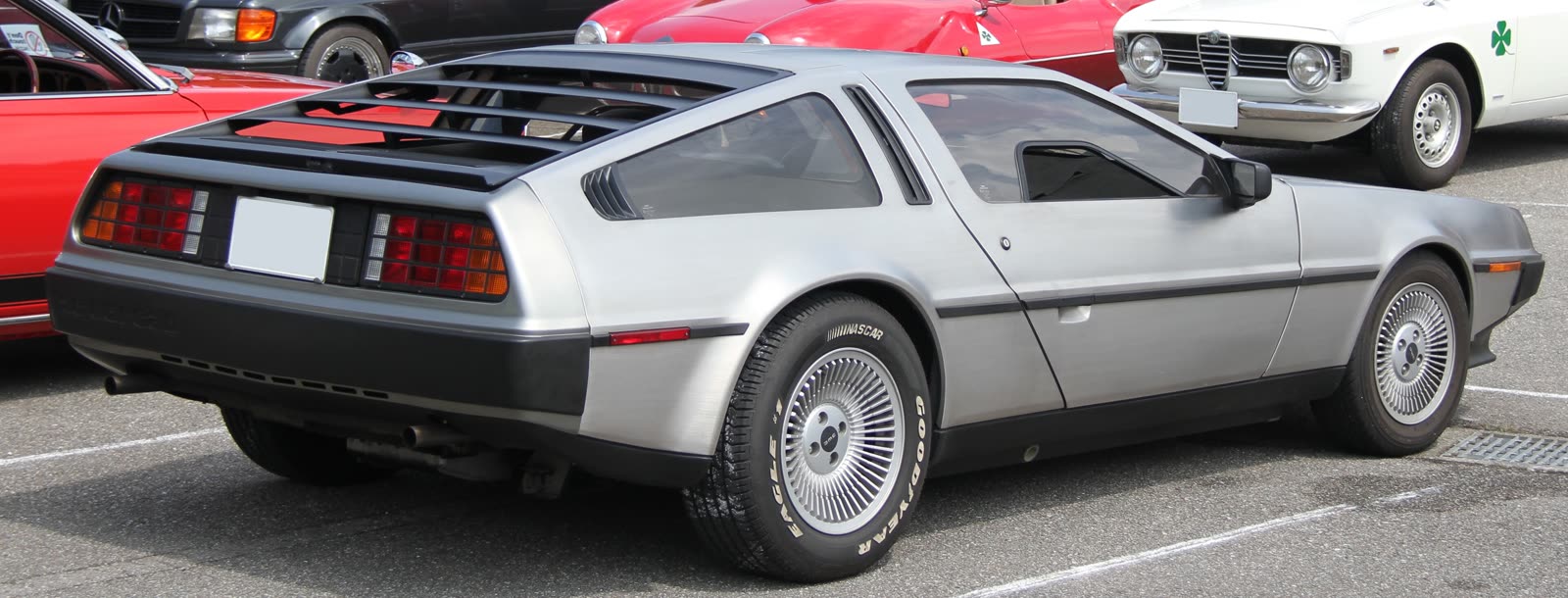
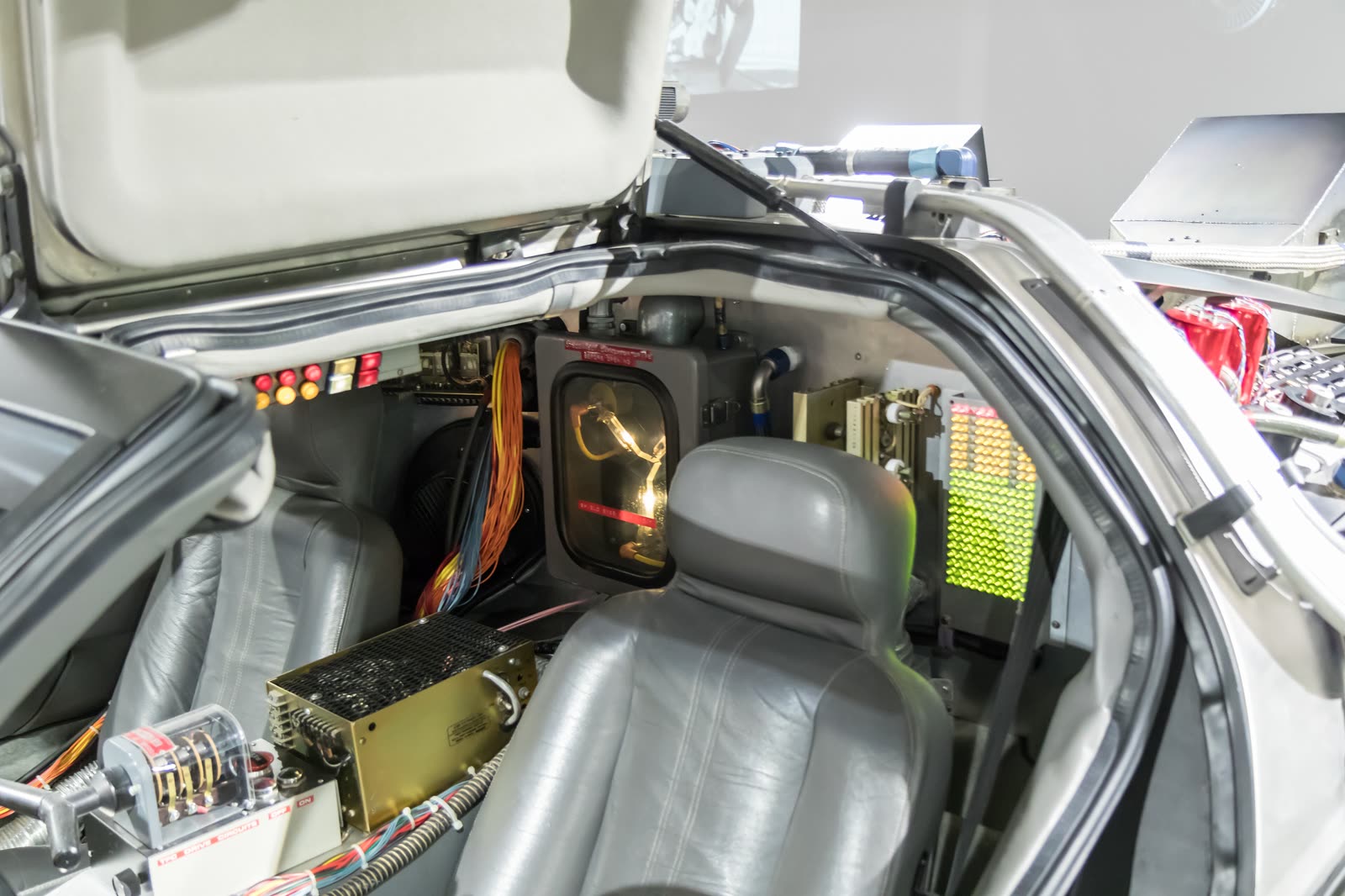
Where we're going, we still need roads. Just not all the time.
"Roads? Where we're going, we don't need roads." Doc Brown said it in 1985, and a flying DeLorean took off for the future. The new Tesla Roadster isn't quite there. It still needs roads, but now, for a few seconds at a time, it doesn't. And this time it's real.
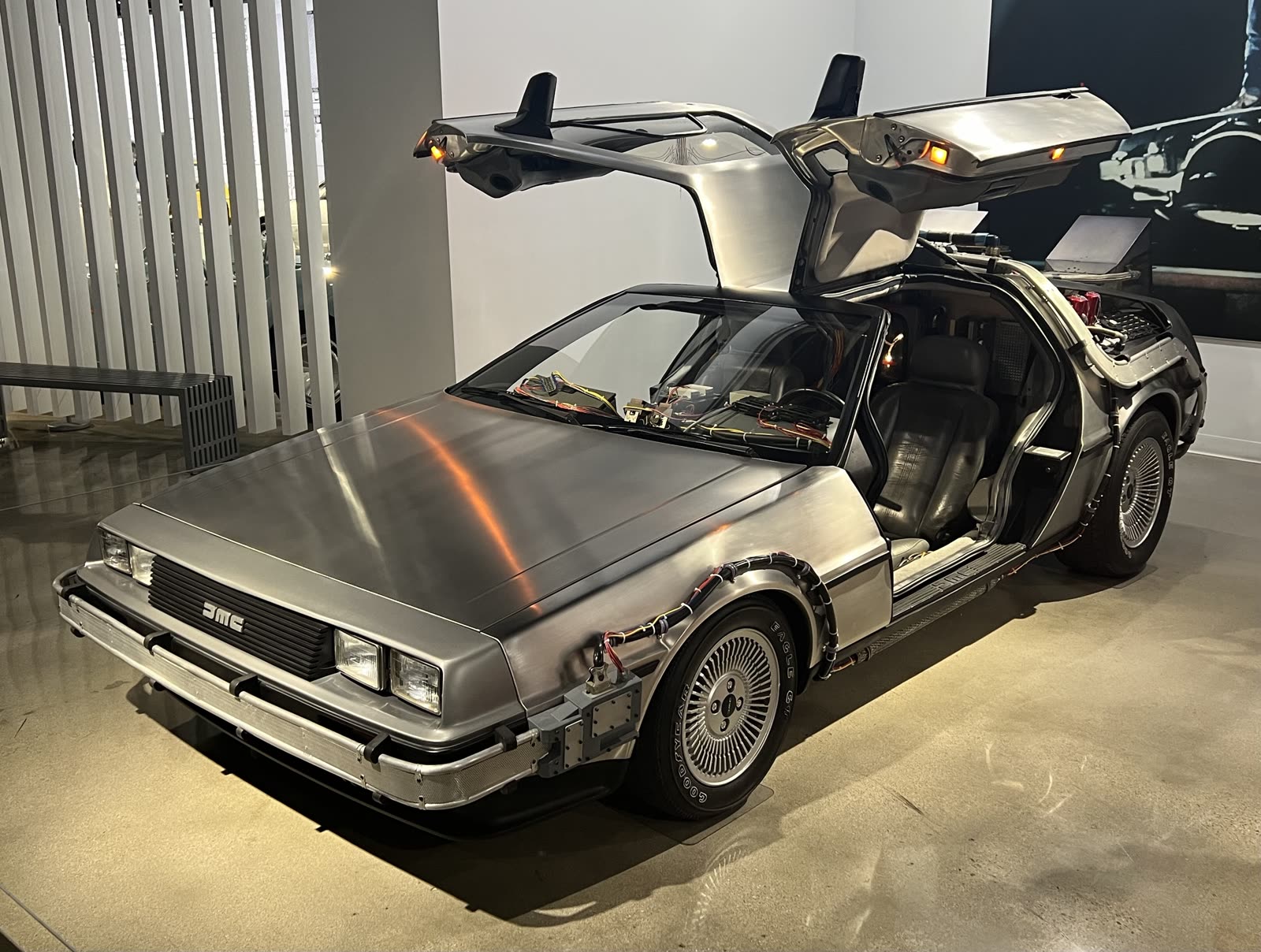
Tesla dropped the hint itself
This comparison isn't ours alone. In September 2026, Tesla's "Go for launch" teaser for the Roadster hid faint text you could only see by turning up the brightness: "WHERE WE'RE GOING…" (autoevolution, EV Wire). Every Back to the Future fan knows how that line ends.
And Musk had been hinting for years. In January 2019 he shared an animation of the flying DeLorean from Back to the Future Part II and wrote: "The new Roadster will actually do something like this." When a follower said they felt he wasn't joking, he replied: "I'm not." He said it would use a "SpaceX cold gas thruster system with ultra high pressure air" (TimesLive, duPont Registry).
Nearly eight years later, that's exactly how the 2026 Roadster flies.

Tesla's kickflip: the Roadster leaves the ground, flips over a row of five Teslas and lands. Tap to watch.
Great Scott: the numbers
The time machine needed two magic numbers: 88 miles per hour and 1.21 gigawatts of power, pronounced "jigowatts" in the film (Wikipedia). So how does the Roadster stack up? According to our calculations:
Our math: jet power = ½ × thrust × exhaust speed = ½ × 80,000 N × about 600 m/s ≈ 24 MW (20–28 MW for 500–700 m/s). The 88 mph figure assumes the 0.81-second run's average push continues: 26.8 m/s ÷ 0.81 s = 33 m/s², and 88 mph = 39.3 m/s, so about 1.2 s. Not Tesla figures. Full thruster math here.